

A roof can appear to be performing as expected while defects are developing out of sight. Often, it is only when water finds its way into the building that the extent of a problem becomes apparent.
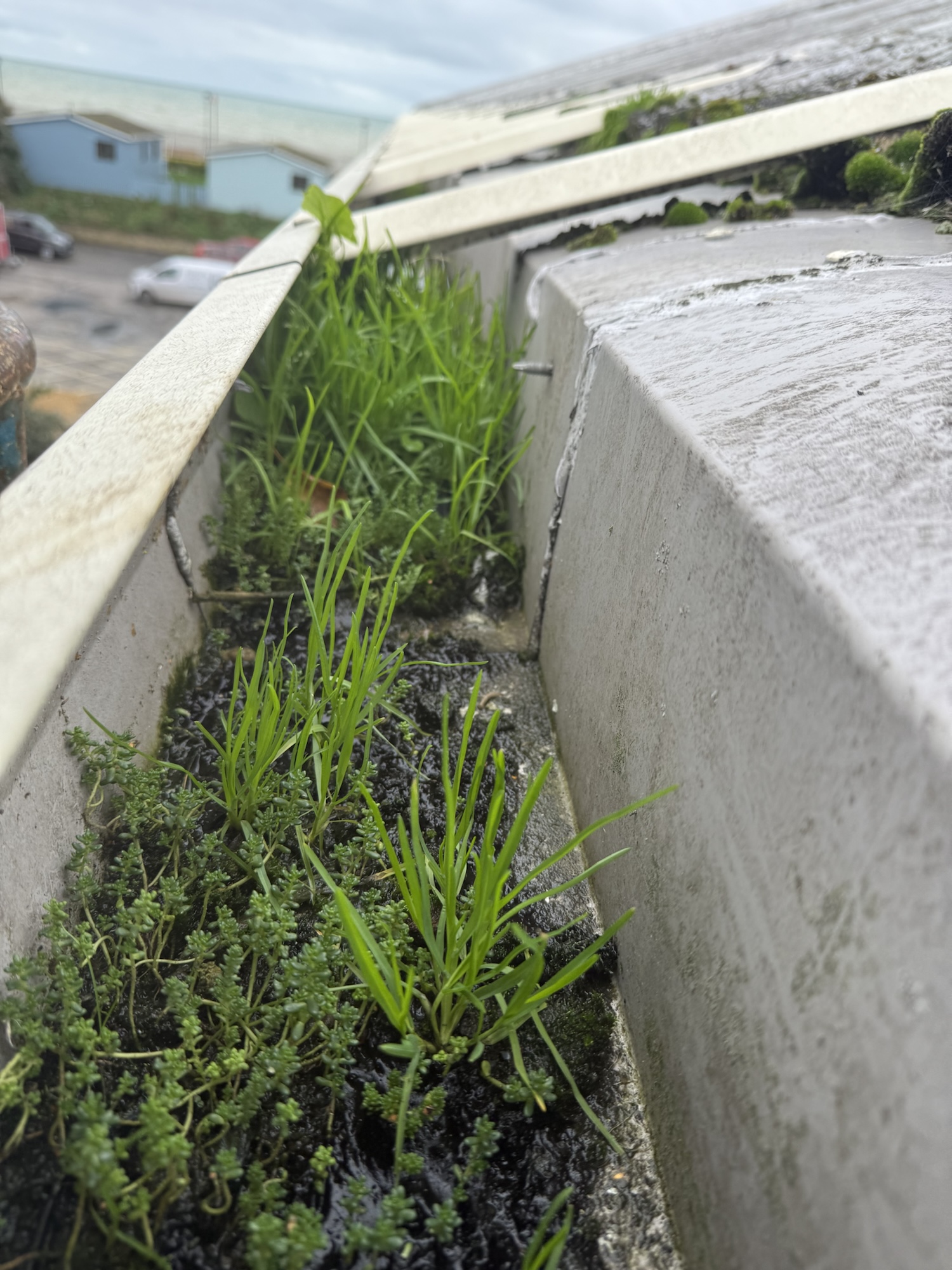
Blocked outlets and gutters are among the more visible warning signs. When rainfall has nowhere to go, standing or overflowing water can expose weaknesses elsewhere in the roof system and increase the risk of water ingress.
But not every developing problem is as easy to see. Damaged membranes, failed seals and joints, deteriorating details, blocked drainage routes and areas of trapped moisture can all develop before there is an obvious problem inside the building.
Understanding the condition of the roof before those issues become failures gives building owners and facilities teams an opportunity to plan rather than react.
Looking beyond individual defects
Routine maintenance remains important, particularly keeping gutters, outlets and drainage routes clear. But looking at individual defects in isolation does not necessarily tell you what is happening across the wider roof system.
A professional roof condition survey builds a more complete picture: establishing current condition, identifying areas requiring attention and helping determine where future investment may be needed.
Depending on the roof system, building and areas of concern, a survey can combine visual inspection with techniques such as drone surveying and targeted moisture investigation.
The objective is not simply to produce a list of defects. It is to understand their significance.
Findings can identify and record defects, assess overall condition, highlight areas requiring further investigation and help establish the likely remaining service life of existing elements. Photographic evidence provides a clear record of what has been found, while recommendations can be prioritised according to urgency and potential impact.


From understanding condition to planning the work
Knowing there is a problem is useful. Knowing what to do about it, when and what to budget for it is considerably more valuable.
A condition survey can provide the starting point for a planned approach to the roof, with findings developed into prioritised repair recommendations, specifications and budget cost plans.
This allows requirements to be considered in practical timescales:
- Immediate maintenance – relatively straightforward issues that can be addressed now, such as clearing drainage routes or dealing with localised defects.
- Planned repairs – identified defects that require intervention but can be properly specified and programmed.
- Further investigation – areas where additional information is needed to establish the extent or cause of a problem.
- Longer-term works – refurbishment or replacement requirements that need to be incorporated into future capital planning.
For asset owners, this provides a more informed basis for decision-making and can help avoid the uncertainty of discovering significant works only when a roof begins to fail.
It can also provide the evidence needed to support internal budget requests, allowing appropriate works to be specified, procured and programmed rather than undertaken reactively.



Using winter to inform future plans
Autumn and winter inevitably put roofing systems under greater pressure. Prolonged rainfall, colder temperatures and periods of severe weather can expose weaknesses that may have remained unnoticed during drier months.
That makes this a particularly useful time to pay attention to what a roof is telling you.
Straightforward maintenance issues can be addressed before they contribute to more significant problems, while a better understanding of overall roof condition can inform specifications, cost plans and programmes for future works.
Whether the answer is routine maintenance, targeted repair, further investigation or a planned programme of refurbishment, the important thing is knowing.
If you need a clearer understanding of your roof’s current condition, TSL can undertake roof condition surveys and help translate the findings into practical recommendations, specifications and cost plans for future works.