

Promoting positive male role models, celebrating men’s contributions to society, and focusing on men’s health and mental wellbeing are core to us as a company and construction as an industry.
Here at TSL we are proud to share how we support our team and encourage open, positive discussion around men’s roles, responsibilities, and wellbeing in construction, whilst acknowledging the mental-health challenges that exist in the industry.
We’re also shining a light on the positive impact our numerous junior league football team sponsorships have on all those involved.
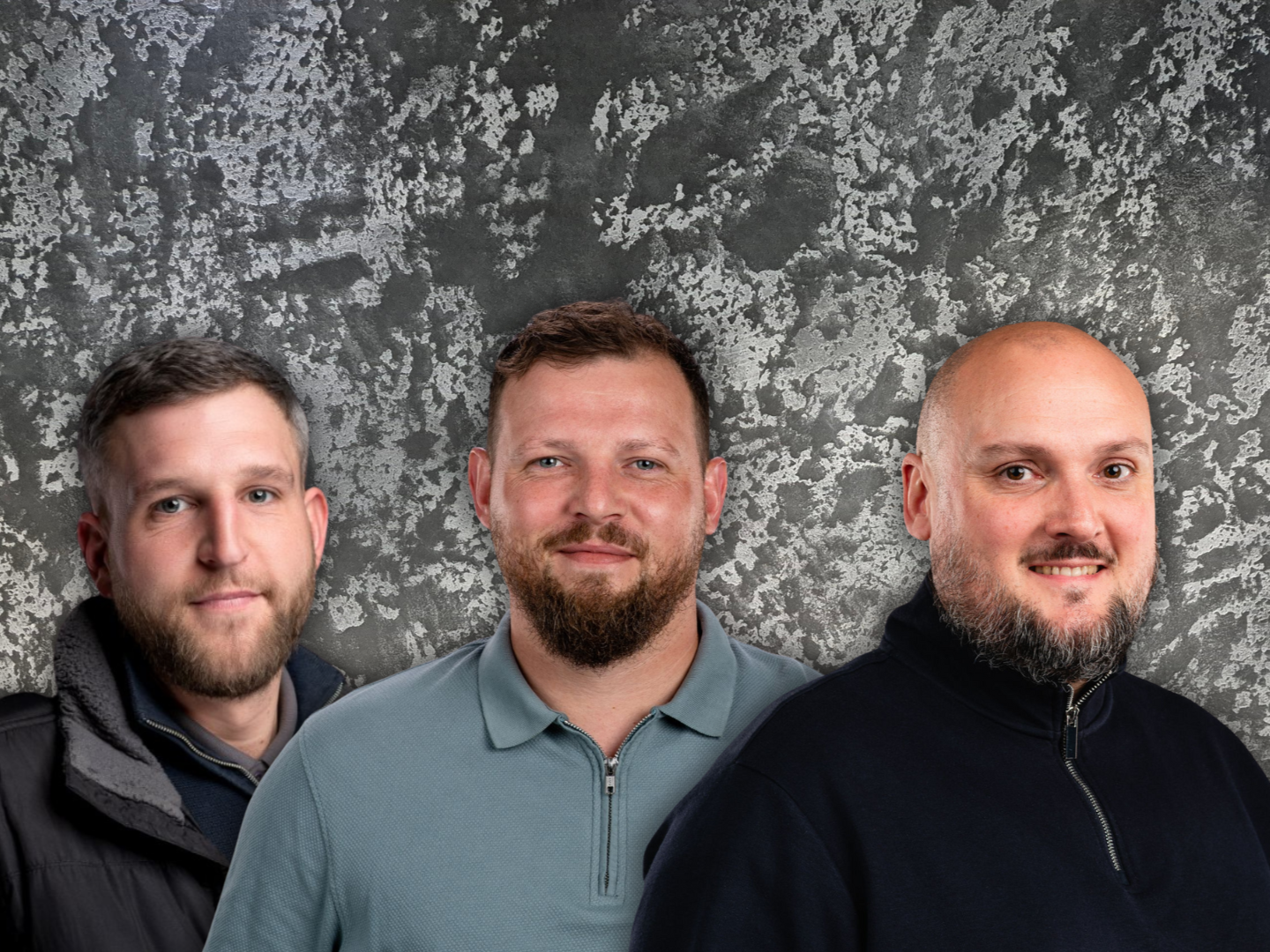
We caught up with Brad, Josh, and Adam to share their insights on these topics:

Meet Brad Plummer, Project Manager at one of our major PBSA remediation projects in London.
In your experience, what positive roles do men often play on project sites, and how do you see those roles contributing to a supportive, respectful team culture?
In my experience, men on project sites often step naturally into roles that keep the team moving whether that’s mentoring staff, problem-solving under pressure, or bringing the kind of humour that breaks tension on a tough day. I see a lot of guys leading by example without even realising it helping someone with a tricky task, staying late to support the team, or checking in when someone’s not their usual self. Those small moments create a culture where people feel respected and supported.
Construction can be a demanding environment. What practical things do you do to look after the wellbeing of your team—whether that’s checking in with people, creating openness, or leading by example?
Construction can be demanding, so I try to keep wellbeing simple and consistent. I check in with people regularly proper check-ins, not just the ‘you alright?’ and walking away before they answer. I try to keep the mood light because a laugh goes a long way, but I also make it clear that people can speak up if something’s weighing on them. Leading by example matters too, so I make sure I take breaks, manage my own stress, and admit when I’m having a tough day. If the boss pretends to be superhuman, everyone else thinks they must be as well.
Many colleagues live away from home during the week or face long commutes. How do you support teammates who might be dealing with the strain of time away from family, and what helps you personally manage that balance?
I’ve been working away on and off for the last 14 years and leaving my Mrs and the kids for five days a week never gets easy — especially when I come home to a list of chores longer than the motorway I just drove. I support teammates in the same boat by checking in, keeping things light on site, and making sure no one feels like they’re dealing with it alone. Personally, staying busy, keeping in touch with the family, and remembering that absence makes the heart grow fonder helps me keep the balance.
We know men in construction can be less likely to talk about stress or struggles. What do you think helps create a space where men feel safe to speak up, and how do you try to encourage those conversations?
I think creating a safe space starts with having people who are genuinely approachable, and I try to be that person. I’m light-hearted, and I’ll always try to get a smile out of anyone (even if it takes a terrible joke or two). On site, a bit of humour breaks down barriers and makes it easier for lads to open up about what’s really going on. Checking in, keeping the chat real, and reminding people that talking isn’t a weakness – it’s just all help make those conversations feel normal.
For younger men entering the industry, what advice would you give about taking care of their mental health, building healthy routines, and supporting others on site?
My advice to the younger lads is simple, don’t take things to heart — half the banter on site is just noise anyway. Make time to exercise, Have a laugh, keep things in perspective, and be someone people feel comfortable talking to. Being approachable goes a long way in this industry. Look after yourself, look after each other, and remember: a good attitude is as important as any tool in your kit.

Meet Josh Blyth, Project Manager at another of our major PBSA remediation projects in London.
In your experience, what positive roles do men often play on project sites, and how do you see those roles contributing to a supportive, respectful team culture?
Team bonding is key. Developing a happy atmosphere in what can sometimes be a testing & stressful environment. I often attempt to request that team members test their boundaries with tasks, undertaking exercises that they may not have carried out before. Providing support where required whilst also ensuring that the team do not become overwhelmed due to uncertainties.
What practical things do you do to look after the wellbeing of your team – whether that’s checking in with people, creating openness, or leading by example?
Being human. Gain an understanding of the team’s personal circumstances outside of the working environment. Enquire and show interest in the conversations with those around you; often from different walks of life, learn from their experiences and share yours.
How do you support teammates who might be dealing with the strain of time away from family, and what helps you personally manage that balance?
Share experiences. Create a flexibility workflow. Family comes first. If you need to be somewhere at 3pm then you do you. Swings and roundabouts and know that it’s not something to get anxious about when approaching the subject. Offer support when applicable and take them out of the work environment if they’d like to discuss in confidence; over a coffee, a beer, a meal etc.
What do you think helps create a space where men feel safe to speak up about their stress and struggles, and how do you try to encourage those conversations?
Be upon and honest. Live by the motto ‘its ok, not to be ok’. Not everyone likes to talk about feelings, but as one of the team leaders and from personal experiences, I feel comfortable to share and showcase that opening up is not an issue. Every day, wake up and attempt to be and do better than the previous.
What advice would you give young men entering the industry about taking care of their mental health, building healthy routines, and supporting others on site?
Build relationships. This industry can be dog eat dog, but finding decent people that you could perhaps call in favours in the future will assist no end. Show willing, someone who is present between the ears rather than who is present in person will naturally bring you to the attention of your peers. This will almost naturally bring you a support structure at work. Be willing to go above and beyond, without taking on too much which may cause some to overwhelm. If you’re not sure, ASK! We’ve all be there once!

Meet Adam Jordan, Document Controller, whose son plays for one of the Junior teams we sponsor.
From your perspective, why is it important for TSL to support local junior football teams, and what impact do you see this having on the wider community?
TSL has helped massively in support for the Bursledon Pulsars U9’s team, fitting them out with their kits for this season as well as training jackets. Things like this helps so much towards families who may be struggling to cover the cost of kits as an example. TSL is also supporting in other ways, social events and promoting the team and the achievements the lads are making this season. The TSL Experience is also felt throughout the team and at such a young age, this can’t be faulted and is a great example of how a team can progress to victory, from the office to the football pitch.
As someone directly involved through your child or coaching role, what does it mean to you personally that TSL sponsors the team?
I love it, the TSL logo on the shirts and jackets on match days, the lads representing something so special to me. Every Sunday morning I’m very proud the lads are representing TSL, playing not only for the badge but the sponsor as well. First game of the season, they were all very proud and happy to have the new kits on with the TSL symbol showing on the front of each top.
What difference do you think sponsorship – such as providing proper kit – makes to the confidence, motivation, or experience of the young players?
The young players are very influenced these days by social media and with football, computer games is a huge impact on how they see the sport. World class players, teams, different shirt colours and then sponsors. Even my son has several European based teams shirts that he wears now and then, but him putting on his Pulsars TSL shirt, that makes him feel like a proper player and also connected to the club and team. Walking with pride to the pitch, decked out in his kit with the TSL logo at the front.
How does our involvement with junior teams help strengthen relationships between TSL, our staff, and local families or communities?
TSL’s involvement with the team, families and wider communities is vitally important to raise awareness not just in what we do, but our work place ethic and how family orientated we are, this then helping the communities and local people where we can. People such as the families at football know I’m based at TSL and at the start of the season there were a lot of questions asking who the new sponsor, TSL, what we do, where we’re based. I try to explain what we actually deliver in terms of works but also how different and energizing a place like TSL is like to work for. I’ve never worked at a place like TSL before and I explain to people that it’s not just a workplace, it’s a culture, a community and the family vibe is a very big thing here, something I’m very passionate about.